Posts

Showing posts with the label fall vegetables

Hardiness of greens

Image
Arugula, parsley, and kale I was surprised to see the kale seedlings looking quite good, after frosty nights in their beds in the mountains.  Supposedly, young leaves are more frost tolerant than older ones, and kale is normally tough to 20°F, in any case.   The leeks, lettuce, swiss chard, and parsley are doing well, too.

A long fall season

Image
It's remarkable that we haven't yet had a good frost yet, much less a freeze. There's been spotty frost, to be sure, but nothing that's affected any except the most tender tropicals, and the nasturtium in the Garden's kitchen garden is still flourishing. My very late-sown flats of lettuce, mache (corn salad), arugula, dwarf Siberian kale, etc. are doing well. They'll just need to be tucked into the ground (in the case of kale and mache) or into the cold frame before a freeze finally comes.

Newly-sown flats

Image
I'm hoping I'll get some transplantable seedlings out of these newly sown flats. I seeded Even Star arugula and collards, spinach, mache (very cold hardy), Siberian kale, and winter hardy lettuces. It's nuts, of course. We could get a frost any time (on average Oct. 15), or it could be above freezing through late November or early December. I've got my cold frame ready, though, for these flats.

Planting a fall garden

My e-newsletters have been touting planting a 'second' garden lately ( Renee's Garden , Vegetable Gardener (Fine Gardening/Tauton Press), and the Tasteful Garden (a family-owned nursery in Alabama). I loved this piece (also on Vegetable Gardener) from Kitchen Gardens magazine archives on cold frames by Elliot Coleman. Geez, thanks to Elliot Coleman, I'm promoting growing vegetables year-round here in South Carolina. At least three seasons! One of the nicest things about the Vegetable Gardener e-newsletter is that they're providing archival material from KitchenGardener magazine . I had subscribed, years ago, just before it stopped publication, and there is great information to be gleaned from their archives. Happily, growing vegetables is a subject that doesn't change a great deal; we add new vegetables, extend the seasons, and grow organic, but it's still about improving the soil, plant nutrients, and water. I was delighted to have a nice group in...

Fall vegetable gardening and seeds

Image
I have a lot of seeds already. Really. This is just one very small bit of my overall collection. I determinedly tried to give away as many as I could in programs and events last spring, but of course, this just allowed me freedom to order more. I actually was dog-earing pages in my Territorial Seeds 'winter' catalog yesterday. Hmmm. And my friend CEN gave me a bunch when she moved to a (much) colder climate, so really, I don't need many more for this fall season. But the allure of another perfect winter lettuce variety, tender collard cultivar, a delicious young spinach, and maybe even a tasty beet or two is certainly alluring, especially when woodchucks are eating the squash in the satellite garden, and they're suffering from powdery mildew, in any case. And what about the kitchen garden next to the Discovery Center (the visitor center for the botanical garden where I work) and the participants in fall vegetable gardening programs, and the folks with donated Earth B...

Winter greens

I harvested purple mustard, arugula, spinach, and turnip greens today. It's almost (our) Thanksgiving --Thursday, Nov. 27 this year. Even though we've had frosts, in the protected walls of the vegetable garden near our visitor center, the frost damage hasn't been significant.

Planting time

Image
I'm definitely ready to get my hands back in the garden. I miss the grounding of checking plants, cleaning up beds, and sowing seeds after a couple of weeks of having my attention required elsewhere. This perennial border appreciated Tropical Storm Fay's moisture a few weeks ago. Three flats of native perennials are waiting to be planted. They're from a family-owned local native plant nursery ( Carolina Wild ) and are destined for the pollinator garden next to the Nature Center and in the front meadow at home. The nursery proprietors, both young and knowledgeable, grow an excellent selection of plants from locally-collected seeds and cuttings, most of which are difficult (if not impossible) to find unless you grow them yourself. I had pre-ordered a selection before her Garden program on Friday, but couldn't resist adding quite a few more. I also have lettuce, chard, mustard, kale, and other greens to sow in the main vegetable garden (not to mention cleaning up the r...

Moonrise

Image
After a weekend away, the squash and beans were ready to harvest. I had five large tromboncino squash (the 9 inch + sort), lots of the smaller bicolor gourd-like squash, and a final green bean harvest. Inexplicably, the bean vines wilted late last week, and all the leaves were brown by Sunday. I haven't had a chance to follow up on what it might have been. But the garden peas are growing well, and I need to get the supports up (I guess the bean trellises are now available!) I'm planning on sowing some more fall greens before I leave for a conference late in the week. Just before going to bed, I happened to catch a glimpse of the moon rising above the hedge out the mud room window. Tonight, the moon is full.

Fall garlic

Image
My garlic order came yesterday. I probably don't really need to order garlic to plant, since I had such an excellent harvest this year, and could use cloves from my harvested heads. But it's such fun to order new varieties - Chesnok Red, Early Italian Red, Red Toch, Shantang Purple, and Susanville. These were grown organically and certified disease-free, from a small, family-run farm, Hood River Garlic , in Oregon. My previous source ( Gourmet Garlic Gardens , run by Bob, the Garlicmeister) in Bangs, TX, provided great garlic, too. I won't plant the cloves until mid-October, or thereabouts. I could even wait until early November, too. I usually harvest in May and June, but this last year is the first I've had LOTS of garlic that we can enjoy through fall, at least.

More fall vegetables

Image
I hadn't tried growing broccoli rabe before, but this experimental patch is flourishing. I'm waiting for a few flower buds before harvesting, but it looks delicious right now. Maybe because the woodchuck ate all the brassica relatives last summer, the populations of cabbage whites didn't build up -- I've only seen one so far this summer. That's good news as far as the brassica leaf chomping goes -- a large spring red bor kale still looks lovely, and has been spared from being harvested for a stir-fry because of it. I've already pulled out quite a bit of unproductive squash (the yellow squash/zucchini C. pepo sort), making room for kohlrabi, turnips, beets, lettuces, arugula, kale, mustard, and spinach (yet to be planted). Happily, I harvested some nice yellow, patty pan, and eight-ball (Ronde de Nice) squashes, actually my most successful squash foray to date, not counting my stalwart, delicious, and squash vine borer-resistant tromboncino squash. It's ...

Sorting seeds

Image
I thought I'd organize my seeds a bit to get ready for planting the first sowing of lettuce. I usually try to keep them in a (vaguely) organized way in containers, according to planting season. But my flurry of seed ordering activity in early summer had overwhelmed that 'system.' So I thought I'd spread them out on the breakfast table. This is a pretty amazing array of seeds, even for me. (Notice that the seed packets are stacked , and the full containers of flower and spring vegetable seeds....). Uh-oh. I think my idea had been to give seeds away at upcoming vegetable gardening programs? Plant things in the Food for Thought Garden? Since I'm really not a file-sort of person (I have started shoving my seed order packing slips in a folder, however), and like my (somewhat) orderly stack method of working, I normally just enjoy discovering seeds that I'd forgotten I'd ordered -- and hadn't yet planted. But this does seem a bit of an overabundance of see...

So when should I actually plant fall vegetables?

Image
There's no dearth of advice about growing fall vegetables, but it's definitely a matter of figuring out your particular weather patterns, growing benefits and challenges, and thinking creatively about what to try (and sorting out what you read, and the location of the person who wrote it). Our Southeastern U.S. Zone 7 (determined solely by frost dates) is quite different than Zone 7 in coastal Oregon, for example. And, different species need different lengths of time to mature before frost, and are affected by shortening days and cooler weather depending on the species (and cultivars), too. a red-stemmed chicory looking unfazed by heat and drought And, the recommendations of 'plant in mid-summer' or 'plant in late summer' are not terribly helpful when it's still 95° in the late afternoon. As a beginning vegetable gardener some years ago, I had the (very mistaken) notion that fall vegetables were planted in the fall. In hot summer soils, trying to germina...

Brussels sprouts and kohlrabi

Image
We love all sorts of greens and broccoli relatives, at least I do, and my gardening companion eats them happily, when stir-fried with olive oil, onions, and garlic. I've certainly got plenty of garlic. This was the large 'main' harvest, now cured and inexpertly braided. Now I just need to find a place to store the harvest; the garden shed is MUCH too hot, and the basement seems too dark and dank, although it's quite dry. Perhaps, I'll have to rig up a 'herb rack' to hang from the 'mudroom' ceiling? This sounds like it will require crafty things with vines or twigs, not exactly my area of expertise. The Brassica oleracea cultivars that produce brussels sprouts and kohlrabi should be delicious, and kohlrabi, at least, is supposed to be easy to grow, and harvestable within 60 days. Hard to believe, but worth trying as a fall crop. Brussels sprouts are quite frost-hardy, so they should be a decent fall crop for our region, although I don't know a...

Peas and greens

It was mild enough on Sunday to have fun preparing the main vegetable garden for seeding of cool weather vegetables and flowers. The soil is lovely, fluffy and dark. The fall amendments and mushroom compost from the fall change outs has been nicely incorporated, and since I try not to ever step on the blocks, all it takes is a quick turnover to provide an excellent seed bed. Now, I do have a soil thermometer that tells me that the soil temperature is still closer to 40° than 50°, so I do need to be patient a bit longer. But, I had some older seeds of spigarello broccoli, broccoli rabe, mache, and something called Zamboni broccoli (another sprouting sort) that I went ahead and sowed in my potting bench flats, which were warm on a sunny afternoon. I should have put them in the cold frame, or on the germination pad in the garden shed, but the light was waning. We'll see how they do. I put some more peas to soak (sugar snap and sugar sprint), waiting for the legume inoculant that ...

Planning to plant

Image
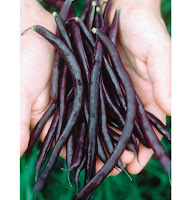
Seed catalogs are a great source of inspiration, especially in the grey days of winter. Here in the South, we often have mild days punctuated by colder weather, so we have plenty of opportunities to spend time outside evaluating new projects and doing prep for late winter and spring planting. Perusing the stack of seed catalogs, making orders, and considering planting plans are evening and cold day activities, and being someone who loves to buy seeds -- this is a wonderful antidote to cold, dark days inside. Some of the things I enjoy ordering are beautiful lettuces, unusual squashes, purple pole beans, small striped eggplants, specialty sweet peppers, edible flowers, potato sets in rainbow hues, teeny round carrots, yard-long beans ... Some of my favorite vegetable and seed catalogs are: The Cook's Garden www.cooksgarden.com Johnny's Seeds www.johnnyseeds.com Nichols Garden Nursery www.nicholsgardennursery.com Pinetree Garden Seeds www.superseeds.com Park Seed www.parkseed.c...

Fall vegetables

Image
The recent rain, (slightly) cooler weather, and the greening up of the garden overall have me thinking about sowing greens for fall. It certainly seemed way too hot in August to contemplate sowing broccoli for transplant and I certainly wasn't able to get chard or beet seedlings to survive, although maybe the squirrels nibbled them. But I've had tremendous success in previous years (photo above) with a variety of greens in fall -- Tuscan kale (also known as dinosaur kale), different sorts of red kales, radicchio, and perpetual spinach (a sort of beet). Mizuna, red mustard, chard, and argula are all great, too, if there aren't too many late cabbage butterflies. Lettuces are beautiful in fall, and the really hardy winter varieties can make it through heavy frosts in mid-winter, if conditions are right. I also need to start sowing the small Violas that are so much nicer than pansies, and less demanding and take cuttings of Spanish lavender, to increase my supply.